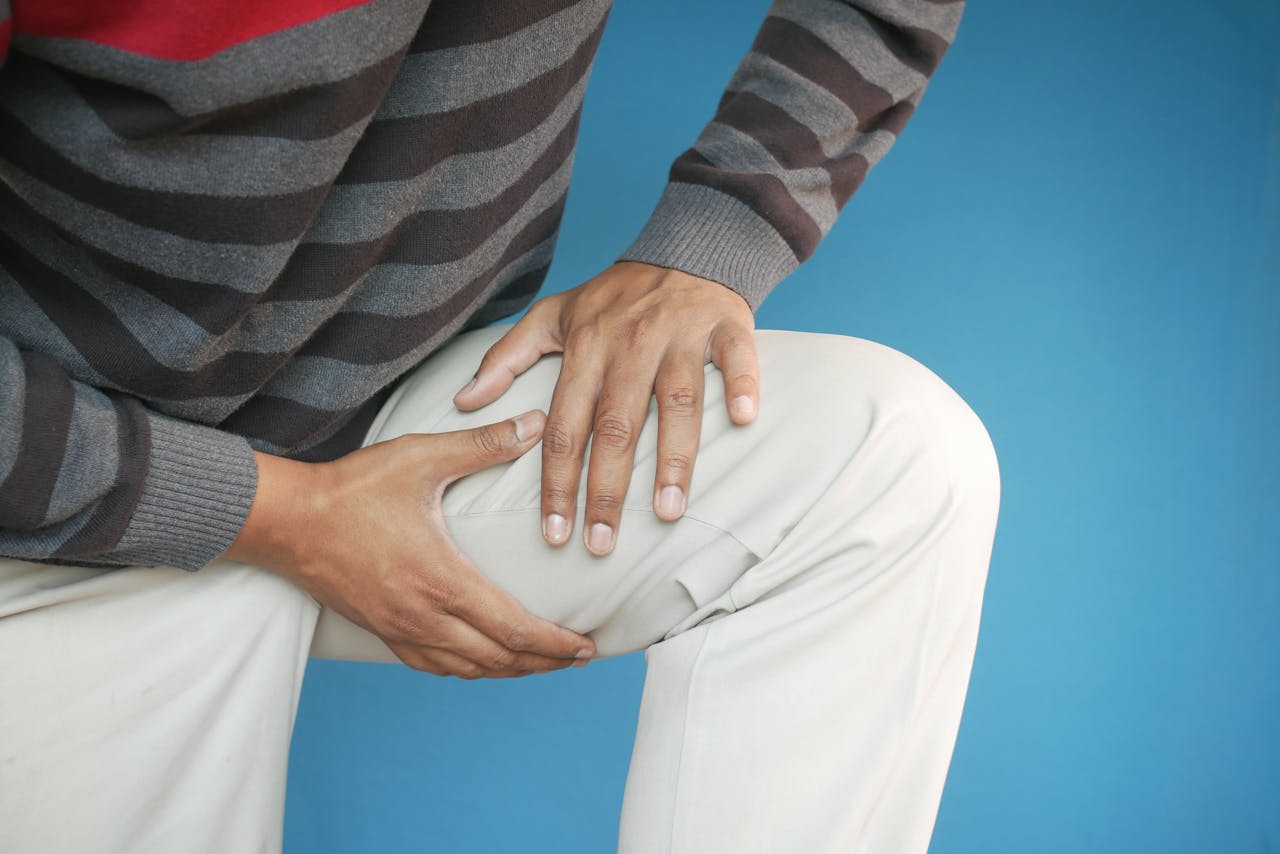
Living with arthritis pain doesn’t have to control your daily life.
You wake up with stiff, aching joints. Simple tasks like opening jars or climbing stairs become painful challenges. Your doctor mentioned medication options, but you’re wondering if there’s another way.
Good news: natural arthritis relief is possible.
You don’t need to rely solely on prescription drugs to manage your joint pain. Thousands of arthritis sufferers have found significant relief using proven natural methods that work with your body, not against it.
This guide is for you if you’re dealing with osteoarthritis, rheumatoid arthritis, or general joint pain and want effective alternatives to traditional treatments.
You’ll discover five research-backed approaches that can reduce inflammation and ease your discomfort. We’ll explore how anti-inflammatory foods can become your kitchen medicine cabinet, helping you fight joint pain from the inside out. You’ll also learn simple heat and cold therapy techniques that provide immediate comfort when pain flares up.
Ready to take control of your arthritis naturally?
Let’s dive into these proven strategies that can help you move more freely and live more comfortably.
Harness Anti-Inflammatory Foods for Joint Pain Relief
What you eat plays a huge role in managing joint pain and inflammation. The right foods can be your secret weapon for natural arthritis relief, working from the inside out to calm your body’s inflammatory response. Think of your kitchen as a pharmacy filled with powerful anti-inflammatory ingredients that can help ease your discomfort without harsh side effects.
Incorporate omega-3-rich fish and seafood into your weekly meals.
Fatty fish like salmon, mackerel, sardines, and tuna pack a powerful punch against joint inflammation. These swimming superstars contain omega-3 fatty acids that your body converts into compounds called resolvins, which actively reduce inflammation in your joints.
Aim to eat fish at least twice a week. Fresh wild-caught salmon provides the highest omega-3 content, but canned salmon and sardines work just as well and cost much less. Don’t worry about fancy preparations – simple grilled salmon with herbs or sardines on whole grain toast can deliver maximum anti-inflammatory benefits.
If you’re not a fan of fish, try shellfish like mussels and oysters. They’re loaded with omega-3s and zinc, which support your immune system and help repair damaged joint tissue.
Add colorful berries and leafy greens to reduce inflammation.
Bright, colorful produce contains antioxidants called anthocyanins and flavonoids that fight the free radicals causing joint damage. Blueberries, strawberries, raspberries, and blackberries are inflammation-fighting powerhouses you can easily add to your daily routine.
Toss a handful of berries into your morning oatmeal or yogurt. Keep frozen berries on hand for smoothies – they retain their nutritional value and won’t go bad quickly.
Dark leafy greens like spinach, kale, and collard greens contain vitamins C and E, plus carotenoids that reduce inflammatory markers in your blood. Spinach wilts beautifully into eggs, soups, and pasta dishes. Kale chips make a crunchy, nutritious snack that beats processed foods any day.
Use turmeric and ginger as natural pain-fighting spices.
Turmeric contains curcumin, a compound that rivals some anti-inflammatory medications in its effectiveness. Studies show curcumin can significantly reduce joint pain and stiffness when used regularly. The bright yellow spice adds earthy flavor to curries, rice dishes, and even smoothies.
Fresh ginger root contains gingerols that block inflammatory pathways in your body. Grate fresh ginger into stir-fries, steep it in hot water for tea, or add it to homemade salad dressings. Dried ginger powder works too, though fresh provides stronger anti-inflammatory effects.
Combine turmeric with black pepper to boost absorption. The piperine in black pepper increases curcumin absorption by up to 2000%. A simple golden milk latte with turmeric, ginger, and a pinch of black pepper makes a soothing evening drink.
Choose whole grains over processed foods to minimize flare-ups.
Refined carbohydrates and processed foods trigger inflammatory responses that can worsen arthritis symptoms. White bread, sugary cereals, and packaged snacks spike your blood sugar, leading to increased inflammation throughout your body.
Whole grains like quinoa, brown rice, oats, and barley provide steady energy without inflammatory spikes. They’re rich in fiber, which feeds beneficial gut bacteria that produce anti-inflammatory compounds.
Start small by swapping white rice for brown rice or choosing whole-grain bread instead of white. Steel-cut oats take longer to cook than instant varieties but provide better blood sugar control and more sustained energy. Ancient grains like farro and bulgur add interesting textures to salads and side dishes while delivering powerful anti-inflammatory benefits.
Implement Gentle Exercise Routines to Strengthen Joints
Practice low-impact swimming and water aerobics for joint mobility.
Water creates natural buoyancy that reduces pressure on joints while providing gentle resistance for muscle strengthening. Swimming laps or participating in water aerobics classes helps maintain joint range of motion without the harsh impact of land-based activities.
Perform daily stretching exercises to maintain flexibility.
Simple stretches targeting major joints can prevent stiffness and improve circulation. Focus on neck rolls, gentle spinal twists, and limb extensions. Hold each stretch for 15-30 seconds, breathing deeply while avoiding bouncing motions that could strain already sensitive joints.
Build strength with resistance band workouts.
Resistance bands offer variable tension that adapts to your comfort level while building muscle strength around joints. These portable tools allow targeted exercises for the shoulders, hips, and knees. Start with light resistance and gradually increase as your strength improves, always prioritizing proper form over intensity.
Apply Heat and Cold Therapy for Immediate Comfort
Temperature therapy provides one of the most accessible forms of natural arthritis relief. Your body responds differently to heat and cold, making both valuable tools for managing joint discomfort throughout the day.
The beauty of thermal therapy lies in its simplicity and immediate effectiveness. You can customize treatments based on your specific symptoms and preferences, creating a personalized approach to pain management.
Use Warm Baths and Heating Pads to Relax Stiff Joints
Warm water works wonders for morning stiffness and tight joints. A 15-20 minute soak in a warm bath helps increase blood flow to affected areas. The heat relaxes muscles surrounding your joints, making movement easier and more comfortable.
Heating pads offer targeted relief when you need it most. Apply them to specific problem areas like knees, shoulders, or hands. Keep the temperature comfortable, not burning hot. Electric heating pads with adjustable settings give you better control over the intensity.
Apply Ice Packs to Reduce Acute Inflammation and Swelling
Cold therapy shines when joints are swollen and inflamed. Ice packs numb pain signals and reduce blood flow to inflamed areas. This helps decrease swelling and provides temporary relief from acute flare-ups.
Wrap ice packs in a thin towel to protect your skin. Apply for 15-20 minutes at a time, several times throughout the day. Frozen peas or corn make excellent makeshift ice packs that conform to joint shapes.
Alternate Between Hot and Cold Treatments for Maximum Benefit
Contrast therapy combines the benefits of both heat and cold applications. Start with heat to loosen stiff joints, then switch to cold to reduce inflammation. This alternating approach can provide more comprehensive natural arthritis relief than using either method alone.
Try a pattern of 3-4 minutes of heat followed by 1-2 minutes of cold. Repeat this cycle 3-4 times, always ending with cold therapy. This technique works especially well for hands and feet in a basin of water.
Time Your Therapy Sessions for Optimal Pain Relief
Morning heat therapy helps combat overnight stiffness that many arthritis sufferers experience. Apply warmth to joints before getting out of bed or during your morning routine. This preparation makes daily activities more manageable.
Save cold therapy for times when joints feel particularly inflamed or after physical activity. Evening sessions can help reduce inflammation from the day’s activities. Listen to your body and adjust timing based on when you experience the most discomfort.
Explore Natural Supplements That Support Joint Health
Natural supplements offer a powerful path to natural arthritis relief without the side effects of prescription medications. These carefully selected nutrients work alongside your body’s healing processes to reduce inflammation and protect joint tissue.
Quality supplements provide targeted support that many people find missing from a diet alone. Research shows specific compounds can slow cartilage breakdown while reducing pain and stiffness naturally.
Take glucosamine and chondroitin for cartilage protection.
Glucosamine and chondroitin work as building blocks for healthy cartilage tissue. Your joints naturally produce these compounds, but production decreases with age and arthritis progression.
Taking 1,500mg of glucosamine daily helps rebuild damaged cartilage over time. Chondroitin sulfate at 1,200mg daily provides additional structural support. Studies show this combination reduces joint space narrowing in knee arthritis.
Look for pharmaceutical-grade supplements from reputable manufacturers. Results typically appear after 2-3 months of consistent use. Some people notice reduced morning stiffness as the first sign of improvement.
Add fish oil supplements to boost omega-3 intake.
Fish oil delivers concentrated omega-3 fatty acids that fight inflammation throughout your body. These essential fats reduce the production of inflammatory compounds that attack joint tissue.
EPA and DHA are the most beneficial omega-3s for joint health. Aim for 2-3 grams of combined EPA/DHA daily from high-quality fish oil. Cold-water fish sources like salmon and mackerel provide superior potency.
Choose molecularly distilled fish oil to avoid mercury contamination. Enteric-coated capsules prevent fishy aftertaste. Many people see reduced joint tenderness within 4-6 weeks of regular supplementation.
Consider herbal remedies like boswellia and devil’s claw.
Boswellia extract contains powerful compounds called boswellic acids that block inflammatory enzymes. This ancient Ayurvedic herb specifically targets 5-LOX enzyme pathways involved in arthritis pain.
Take 300-400mg of standardized boswellia extract three times daily with meals. Clinical trials show significant pain reduction and improved mobility within 8-12 weeks of use.
Devil’s claw root has been used for centuries to treat joint pain in Africa. The active compound harpagoside provides natural pain relief comparable to some NSAIDs. Use 600-800mg of standardized extract daily for best results.
Both herbs work gradually but provide lasting relief without the stomach irritation common with conventional pain medications.
You May Also Read: 6 Powerful Remedies for Digestion Issues You Need to Know
Master Stress Management Techniques to Reduce Pain Perception
Chronic pain and stress create a vicious cycle that worsens arthritis symptoms. Your mind and body are deeply connected, and managing stress effectively can significantly improve your natural arthritis relief journey.
Practice mindfulness meditation to calm your nervous system
Mindfulness meditation rewires your brain’s response to pain signals. Start with just five minutes daily, focusing on your breath while observing thoughts without judgment.
Regular practice reduces inflammation markers in your body. Studies show that people who meditate experience less joint stiffness and improved mobility within weeks.
Use deep breathing exercises during pain flare-ups.
Deep breathing activates your parasympathetic nervous system, which naturally reduces pain intensity. Try the 4-7-8 technique: inhale for four counts, hold for seven, exhale for eight.
This simple method floods your system with oxygen and triggers your body’s relaxation response. Keep breathing exercises handy for those unexpected moments when arthritis pain spikes.
Maintain consistent sleep patterns for better pain tolerance.
Poor sleep amplifies pain sensitivity and increases inflammation throughout your body. Aim for seven to nine hours of quality sleep each night to support natural arthritis relief.
Create a bedding routine that signals rest time to your brain. Cool, dark rooms and consistent bedtimes help regulate your circadian rhythm and improve pain management.
Engage in relaxing hobbies that distract from discomfort.
Creative activities redirect your attention away from joint pain while providing emotional satisfaction. Painting, knitting, gardening, or playing music can serve as powerful pain management tools.
Choose hobbies that don’t strain your affected joints excessively. The key is finding activities that bring joy while keeping your hands and mind occupied during difficult moments.
Build a strong support network for emotional wellness.
Isolation makes arthritis pain feel more overwhelming and harder to manage. Connect with family, friends, or support groups who understand your daily challenges.
Share your experiences openly with trusted people in your life. Emotional support reduces stress hormones that contribute to inflammation, making your natural arthritis relief efforts more effective.
Conclusion
Managing arthritis naturally doesn’t have to be complicated. The five strategies we’ve covered – eating anti-inflammatory foods, staying active with gentle exercises, using heat and cold therapy, taking supportive supplements, and managing stress – work best when you combine them into your daily routine. Each approach targets different aspects of joint health, giving you multiple ways to find relief without relying solely on medications.
Start small and pick one or two methods that feel most manageable for you right now. Maybe that’s adding more berries and leafy greens to your meals, or trying a warm bath after a stressful day. As these become habits, you can gradually add other techniques. Remember, what works for one person might not work exactly the same for another, so give yourself permission to experiment and find your personal pain-relief toolkit.